10 Easy Microgreen Recipes — Fresh Ideas for Every Meal
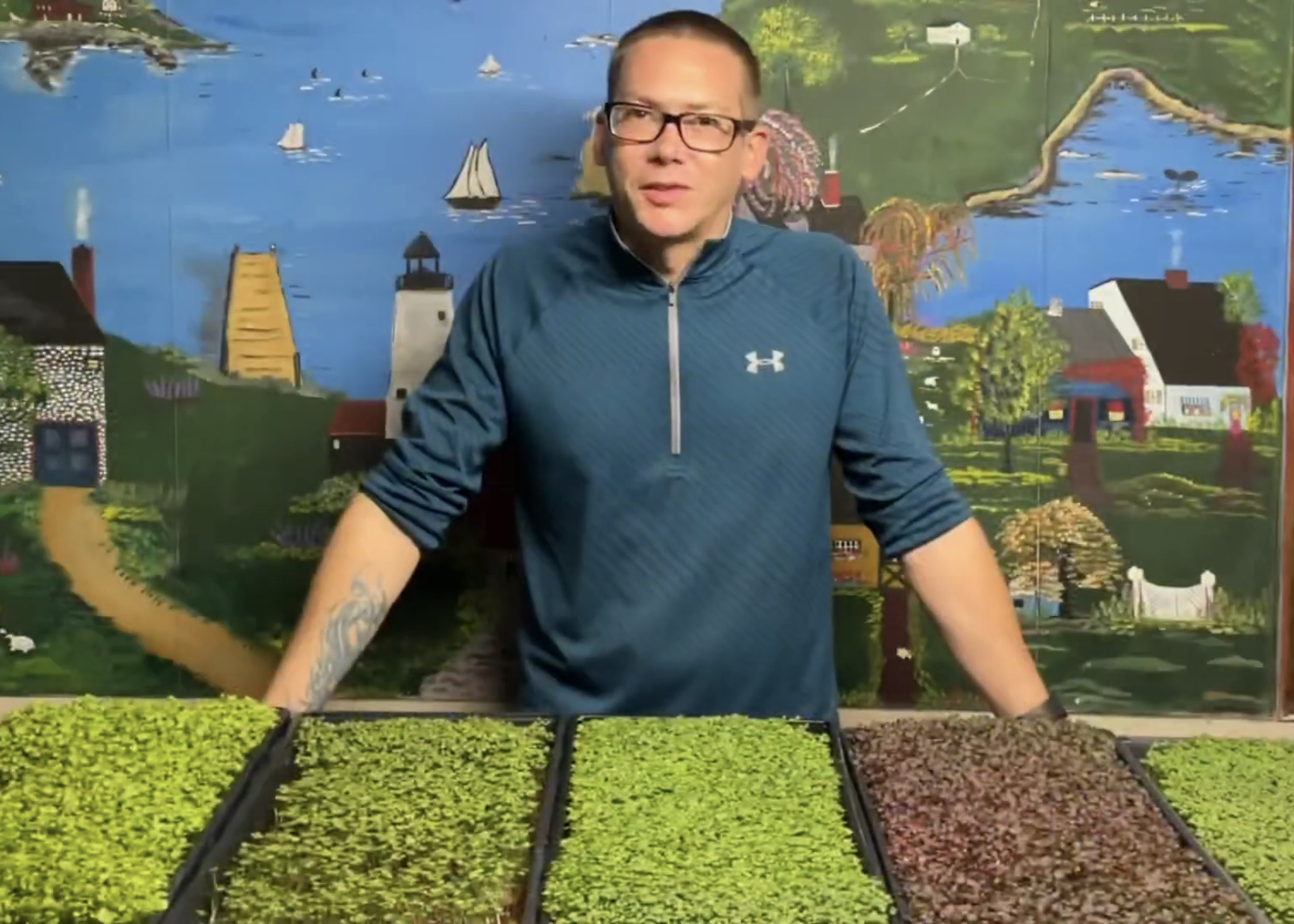
Corey Brabant
If you've been growing microgreens, you already know how satisfying it is to harvest a fresh tray of vibrant greens. But once you've got them in hand, the question becomes: what do I actually make with these?
Microgreens are far more than a restaurant garnish. They're packed with concentrated flavor and up to 40x the nutrients of their mature counterparts. The key is knowing which varieties work best in different dishes.
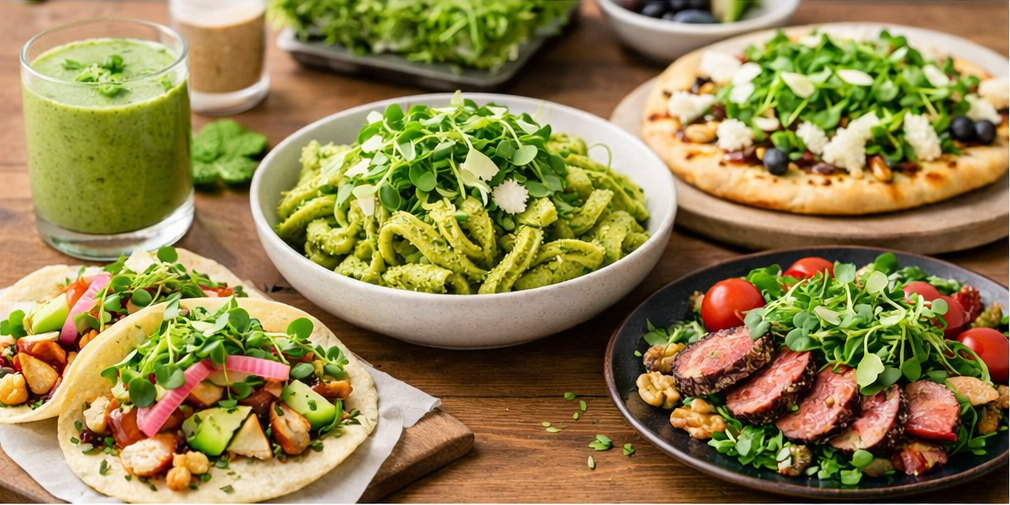
Here are 10 simple, delicious recipes that put microgreens at the center of the plate — along with links to the seeds so you can grow each variety yourself.
1. Radish Microgreen Street Tacos
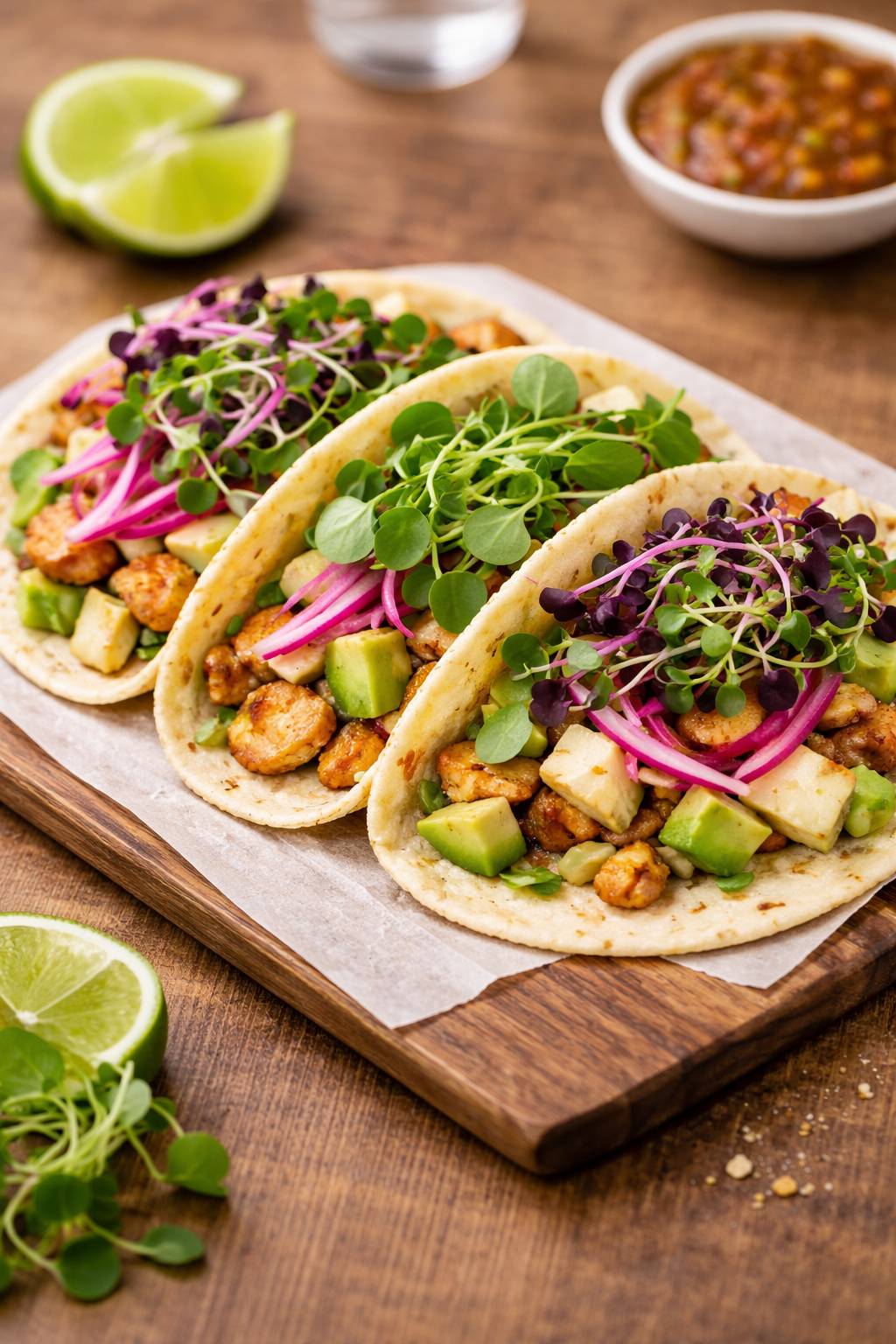
Star microgreens: Radish, arugula, and cilantro microgreens — spicy, peppery, and bright
Radish microgreens bring a wasabi-like kick, arugula adds a bold peppery depth, and cilantro microgreens deliver a bright, citrusy finish. Together, they create a taco topping that's way more interesting than any single green.
Serves: 4 (about 8 tacos)
Ingredients:
- 8 small corn tortillas
- 1 lb boneless chicken thighs (or 1 lb pork shoulder for carnitas)
- 1 ripe avocado, diced into small cubes
- 1 cup radish microgreens (loosely packed)
- 1/2 cup arugula microgreens (loosely packed)
- 1/4 cup cilantro microgreens (loosely packed)
- 1/2 small red onion, thinly sliced into rings
- 1/4 cup apple cider vinegar, 1/4 cup warm water, 1 tbsp sugar, 1/2 tsp salt (for the quick pickle)
- 1/2 cup sour cream, juice of 1 lime, pinch of salt (for the lime crema)
- 1 lime, cut into wedges
- Salt, pepper, cumin, chili powder for seasoning
Preparation:
- Make the quick-pickled onions (do this first): Combine apple cider vinegar, warm water, sugar, and salt in a jar or bowl. Stir until dissolved. Add the thinly sliced red onion and press down so the rings are submerged. Let sit for at least 30 minutes — the longer the better. They'll turn a beautiful bright pink.
- Make the lime crema: Whisk together sour cream, lime juice, and a pinch of salt in a small bowl. Taste and adjust lime and salt. Cover and refrigerate until ready to serve. For a thinner drizzle, add a splash of milk.
- Prepare the protein: Season chicken thighs generously on both sides with salt, pepper, cumin, and chili powder. Heat a cast iron skillet or grill pan over medium-high heat with a drizzle of oil. Cook chicken thighs 5-6 minutes per side until charred and cooked through (internal temp 165°F). Let rest for 5 minutes on a cutting board, then slice into thin strips or chop into bite-sized pieces.
- Mix the microgreens: While the chicken rests, gently toss the radish, arugula, and cilantro microgreens together in a small bowl. Keep the mix light and airy — don't press them down. The three varieties have different textures and sizes, so a gentle toss ensures each taco gets a good distribution of all three flavors.
- Warm the tortillas: Heat a dry skillet or open gas flame. Warm each tortilla for about 20-30 seconds per side until pliable and lightly charred in spots. Wrap in a clean kitchen towel to keep warm.
- Assemble: Lay out the warm tortillas. Add a layer of chicken, then diced avocado. Drain a small handful of pickled onions and tuck them in. Pile a generous mound of the mixed microgreens on top — don't be shy, the mix of colors looks incredible. Drizzle with lime crema and finish with a squeeze of fresh lime from the wedges.
Why it works: Each microgreen brings something different — radish delivers heat, arugula adds a mustard-like pepperiness, and cilantro brightens the whole thing with its citrus notes. Together they create a layered flavor that evolves with each bite, cutting through the richness of the meat and avocado far better than any single green could. The quick-pickled onions bring acidity that ties everything together.
🌱 Pick up all three seed varieties at True Leaf Market:
2. Sunflower Microgreen Pesto Pasta
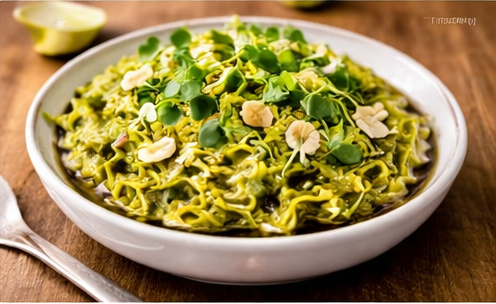
Star microgreen: Sunflower microgreens — nutty, hearty, and substantial
Sunflower shoots make an incredible pesto that's richer and more complex than traditional basil pesto.
Serves: 4
Ingredients:
- 2 packed cups sunflower microgreens, plus extra for garnish
- 1/3 cup freshly grated parmesan cheese (use a Microplane for best results)
- 1/4 cup pine nuts or walnuts
- 2 cloves garlic, roughly chopped
- 1/2 cup extra virgin olive oil
- Juice of half a lemon (about 1 tbsp)
- Salt and pepper to taste
- 1 lb pasta (spaghetti, linguine, or penne)
- Reserved pasta water
Preparation:
- Toast the nuts: Add pine nuts or walnuts to a dry skillet over medium-low heat. Shake the pan frequently and watch closely — they go from golden to burnt fast. Toast for 3-4 minutes until fragrant and lightly golden. Remove from the pan immediately and set aside to cool.
- Make the pesto: Add sunflower microgreens, toasted nuts, chopped garlic, parmesan, and lemon juice to a food processor. Pulse 5-6 times to break everything down into a rough texture. With the processor running on low, slowly stream in the olive oil through the feed tube. Scrape down the sides once and blend again until you reach your preferred consistency — slightly chunky is great. Season with salt and pepper. Taste and adjust lemon or salt as needed.
- Cook the pasta: Bring a large pot of generously salted water to a rolling boil (the water should taste like the sea). Cook pasta according to package directions until al dente — usually 1 minute less than the package suggests. Before draining, scoop out 1 cup of the starchy pasta water and set it aside.
- Combine: Drain the pasta and return it to the pot over low heat. Add the pesto and toss to coat evenly. Add pasta water 2-3 tablespoons at a time, tossing between additions, until the pesto clings to the noodles in a silky coating rather than sitting on top. You'll likely use 1/4 to 1/2 cup of pasta water.
- Serve: Plate the pasta and top each serving with a small mound of fresh sunflower microgreens, an extra sprinkle of parmesan, and a crack of black pepper.
Why it works: Sunflower microgreens have a naturally nutty, slightly sweet flavor that creates a pesto with real depth. The starchy pasta water emulsifies the pesto into a creamy sauce without adding cream. Plus sunflower shoots are packed with protein and healthy fats.
🌱 Get Sunflower Microgreen Seeds at True Leaf Market
3. Pea Shoot & Goat Cheese Flatbread
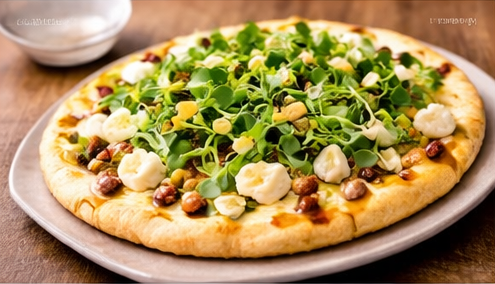
Star microgreen: Pea shoots — sweet, tender, and fresh
Pea shoots are one of the most versatile and beloved microgreens. Their sweet, fresh flavor shines on a simple flatbread.
Serves: 2-4 as an appetizer
Ingredients:
- 2 pieces naan bread or flatbread
- 2 tbsp olive oil
- 4 oz crumbled goat cheese (chèvre)
- 3 tbsp pine nuts
- 2 big handfuls of pea shoot microgreens (about 1.5 cups)
- 2 tbsp honey (local raw honey is great)
- Flaky sea salt (like Maldon)
- Cracked black pepper
Preparation:
- Preheat your oven to 400°F and position a rack in the upper third.
- Toast the pine nuts: Spread pine nuts on a small baking sheet or in a dry skillet. Toast in the oven for 3-4 minutes (or in the skillet over medium-low heat) until golden and fragrant. Set aside — they'll continue to darken slightly as they cool.
- Prepare the flatbread: Place the naan directly on the oven rack or on a baking sheet. Brush the top side generously with olive oil. Bake for 5-6 minutes until the edges are golden and crispy and the bread is firm enough to hold toppings without flopping.
- Add the goat cheese: Remove the flatbread from the oven and immediately crumble the goat cheese over the surface while the bread is hot. The heat will soften the cheese slightly, helping it stick. Distribute it evenly — you want some in every bite.
- Layer the toppings: Scatter the toasted pine nuts over the cheese. Then pile the pea shoot microgreens on top generously — they'll wilt down just slightly from the residual heat, which is perfect. Don't press them down; let them sit tall and airy.
- Finish: Drizzle honey over everything in a thin stream, letting it fall across the greens and cheese. Sprinkle flaky sea salt and a few cracks of black pepper over the top. Slice with a pizza cutter or sharp knife and serve immediately.
Why it works: The sweetness of the pea shoots plays beautifully against the tangy goat cheese and honey. The toasted pine nuts add crunch and richness. Serving immediately is key — the contrast between the warm, crispy bread and the cool, fresh microgreens is what makes this dish special.
🌱 Get Pea Shoot Microgreen Seeds at True Leaf Market
4. Broccoli Microgreen Power Smoothie
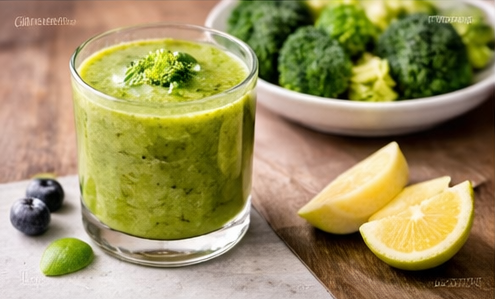
Star microgreen: Broccoli microgreens — mild flavor, massive nutrition
Broccoli microgreens contain up to 100x the sulforaphane of mature broccoli — one of the most studied anti-cancer compounds in food. And unlike mature broccoli, they blend smoothly and taste mild enough to hide in a smoothie.
Makes: 1 large smoothie (about 16 oz)
Ingredients:
- 1 cup broccoli microgreens (loosely packed)
- 1 banana, peeled and frozen (freeze ripe bananas overnight for best results)
- 1/2 cup frozen blueberries
- 1 tablespoon almond butter (or peanut butter)
- 1 cup unsweetened almond milk or oat milk
- 1 tablespoon honey or maple syrup (optional)
- 3-4 ice cubes (if you want it thicker)
Preparation:
- Layer the blender correctly (this matters): Add the liquid first — pour the almond milk into the blender. This prevents the blade from getting stuck and ensures a smooth blend. Then add the broccoli microgreens on top of the liquid so they get pulled down into the blade.
- Add the frozen ingredients: Drop in the frozen banana (break it into 3-4 chunks first for easier blending), frozen blueberries, and almond butter. If you're adding honey or ice cubes, add them now too.
- Blend in stages: Start on low speed for 5-10 seconds to break up the frozen fruit, then increase to high. Blend for 30-45 seconds until completely smooth with no visible green flecks. If the smoothie is too thick, add a splash more milk. If too thin, add a few more ice cubes and blend again.
- Taste and adjust: The banana and blueberries should completely mask the broccoli flavor. If you detect any bitterness, add a touch more honey. Pour into a glass and drink immediately — sulforaphane begins to degrade after blending.
Pro tip: For maximum sulforaphane activation, let the harvested broccoli microgreens sit for 5-10 minutes at room temperature before blending. This allows the enzyme myrosinase to convert glucoraphanin into sulforaphane.
Why it works: This is hands-down the easiest way to get sulforaphane into your diet. You won't taste the broccoli microgreens at all, but your body will thank you. The frozen banana gives it a creamy, milkshake-like texture.
🌱 Get Broccoli Microgreen Seeds at True Leaf Market
5. Spicy Mustard Microgreen Steak Salad
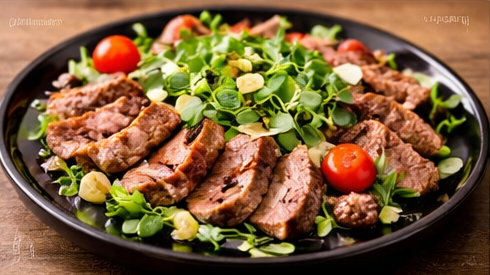
Star microgreen: Mustard microgreens — bold, spicy, and aromatic
Mustard microgreens bring serious heat and a horseradish-like punch that pairs perfectly with red meat.
Serves: 2 as a main, 4 as a side
Ingredients:
- 1 lb flank steak (or skirt steak)
- 2 cups mustard microgreens (loosely packed)
- 1 cup cherry tomatoes, halved
- 1 oz parmesan, shaved into ribbons with a vegetable peeler
- 1/4 cup walnuts, roughly chopped
- Salt, pepper, and olive oil for the steak
For the red wine vinaigrette:
- 3 tbsp extra virgin olive oil
- 1 tbsp red wine vinegar
- 1 tsp dijon mustard
- 1 small clove garlic, finely minced or grated
- Salt and pepper to taste
Preparation:
- Temper the steak: Remove the flank steak from the fridge 30-45 minutes before cooking. Pat it completely dry with paper towels on both sides — this is essential for a good sear. Season generously with salt and pepper.
- Make the vinaigrette: While the steak tempers, whisk together olive oil, red wine vinegar, dijon mustard, and minced garlic in a small bowl. Season with salt and pepper. Whisk vigorously until emulsified — it should look slightly creamy, not separated. Set aside.
- Toast the walnuts: Add chopped walnuts to a dry skillet over medium heat. Toast for 3-4 minutes, shaking the pan occasionally, until fragrant. Remove immediately and set aside.
- Cook the steak: Heat a cast iron skillet over high heat until it's smoking hot — this takes a full 3-4 minutes of preheating. Add a thin layer of high-smoke-point oil (avocado or vegetable). Lay the steak away from you into the pan. Don't touch it for 4-5 minutes until a deep brown crust forms. Flip once and cook another 3-4 minutes for medium-rare (130°F internal). Transfer to a cutting board and rest for at least 8-10 minutes. This is non-negotiable — cutting too early means all the juices end up on the board instead of in the meat.
- Prep the salad: While the steak rests, place the mustard microgreens and halved cherry tomatoes in a large bowl. Add about two-thirds of the vinaigrette and toss gently with your hands — tongs will bruise the delicate microgreens.
- Slice and assemble: Slice the steak against the grain into thin strips (about 1/4 inch thick). Arrange the dressed salad on plates. Lay the steak slices over the top. Scatter shaved parmesan and toasted walnuts over everything. Drizzle the remaining vinaigrette over the steak.
Why it works: The spicy bite of mustard microgreens stands up to the bold flavor of steak in a way that regular salad greens can't. The dijon in the vinaigrette echoes the mustard flavor of the greens, creating a layered, cohesive dish.
🌱 Get Mustard Microgreen Seeds at True Leaf Market
6. Cilantro Microgreen Guacamole
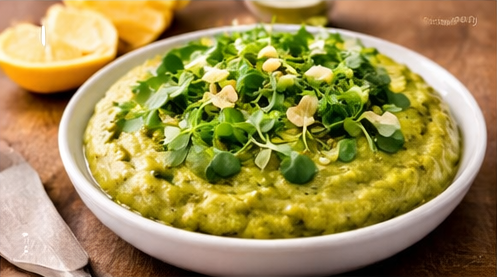
Star microgreen: Cilantro microgreens — bright, citrusy, and aromatic
Cilantro microgreens are more intense than mature cilantro, which means you need less to get a bigger flavor punch in your guacamole.
Serves: 4-6 as an appetizer
Ingredients:
- 3 ripe avocados (they should yield to gentle pressure but not feel mushy)
- 1/2 cup cilantro microgreens (packed), divided
- Juice of 2 limes (about 2-3 tbsp)
- 1/4 cup finely diced red onion
- 1 jalapeño, halved, seeds and membranes removed, finely minced
- 1/2 tsp kosher salt, plus more to taste
- Tortilla chips for serving
Preparation:
- Prep the onion first: Dice the red onion finely and place it in a small bowl. Pour the lime juice over it and add the salt. Let this sit while you prepare everything else — at least 5-10 minutes. The acid from the lime takes the sharp raw edge off the onion and infuses the lime juice with flavor. This is a small step that makes a big difference.
- Prepare the jalapeño: Cut the jalapeño in half lengthwise. Use a spoon to scrape out the seeds and white membranes (this is where most of the heat lives). Mince the remaining flesh as finely as you can — you want it distributed throughout the guac, not in big chunks.
- Mash the avocados: Halve each avocado, remove the pit, and scoop the flesh into a bowl. Using a fork, mash to your desired consistency. For chunky guacamole (my preference), press and turn the fork rather than stirring — leave some larger pieces intact. For smoother guacamole, mash more thoroughly.
- Combine: Pour the onion-lime juice mixture over the mashed avocado. Add the minced jalapeño and about half of the cilantro microgreens. Fold everything together gently with the fork — don't overmix or you'll lose the texture. Taste and adjust salt, lime, or heat as needed.
- Serve: Transfer to a serving bowl. Scatter the remaining cilantro microgreens on top as garnish — they should be visible and vibrant. Serve immediately with tortilla chips.
Pro tip: Press a sheet of plastic wrap directly onto the surface of any leftover guacamole before refrigerating. Eliminating air contact prevents browning far better than adding extra lime juice or leaving the pit in.
Why it works: Cilantro microgreens deliver brighter, more concentrated cilantro flavor without the stems. Marinating the onion in lime juice first is the secret move — it mellows the onion and creates a more flavorful base than just squeezing lime on top.
🌱 Get Cilantro Microgreen Seeds at True Leaf Market
7. Basil Microgreen Caprese Stack
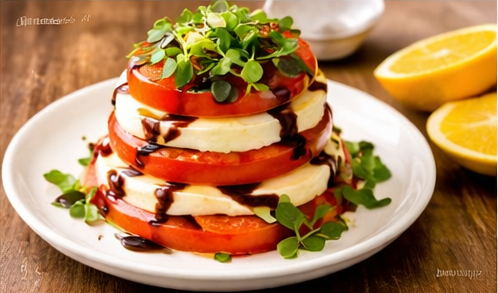
Star microgreen: Basil microgreens — sweet, aromatic, and intense
Basil microgreens are more concentrated in flavor than full-sized basil leaves, making them perfect for a classic caprese.
Serves: 2-4 as an appetizer
Ingredients:
- 8 oz fresh mozzarella (burrata works beautifully too), sliced into 1/2-inch rounds
- 2-3 ripe heirloom tomatoes (different colors look stunning), sliced into 1/2-inch rounds
- 2 generous handfuls of basil microgreens (about 1 cup)
- 3 tbsp high-quality extra virgin olive oil
- 2 tbsp balsamic glaze (reduced balsamic vinegar — see below)
- Flaky sea salt (like Maldon)
- Cracked black pepper
Preparation:
- Make balsamic glaze (optional but worth it): If you don't have store-bought balsamic glaze, pour 1/2 cup balsamic vinegar into a small saucepan over medium heat. Bring to a gentle simmer and reduce for 8-10 minutes, stirring occasionally, until it coats the back of a spoon and has reduced by about half. It will thicken more as it cools. This tastes far better than the premade stuff.
- Prep the tomatoes and mozzarella: Slice tomatoes and mozzarella into rounds of roughly equal thickness (about 1/2 inch). Lay the tomato slices on a plate and season lightly with salt. Let them sit for 5 minutes — this draws out a little moisture and concentrates flavor.
- Build the stacks: On a serving plate, place a tomato round down first. Add a mozzarella round on top. Tuck a small pinch of basil microgreens between the layers. Repeat — tomato, mozzarella, microgreens — building 2-3 layers high. Make 3-4 stacks across the plate.
- Top and finish: Pile the remaining basil microgreens generously on top of each stack and around the plate. Drizzle with olive oil first (this helps the salt stick), then the balsamic glaze in a zigzag pattern. Finish with a generous pinch of flaky sea salt and several cracks of black pepper.
- Serve immediately: This dish is best at room temperature — cold mozzarella has less flavor. If your mozzarella was in the fridge, let the assembled plate sit for 5-10 minutes before serving.
Why it works: Basil microgreens are more aromatic than mature basil and distribute evenly through the dish instead of one big leaf per bite. Using them between layers and on top means every single bite has that sweet basil flavor. The homemade balsamic glaze takes this from good to unforgettable.
🌱 Get Basil Microgreen Seeds at True Leaf Market
8. Arugula Microgreen Pizza
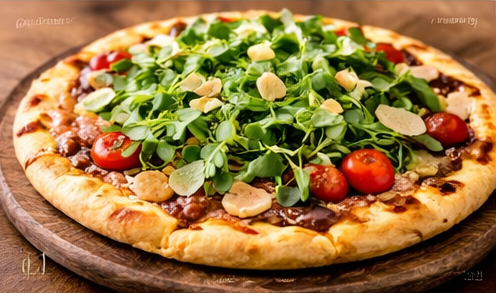
Star microgreen: Arugula microgreens — peppery, bold, fresh
Adding arugula microgreens after baking transforms any pizza with a fresh, peppery contrast to the hot melted cheese.
Serves: 2-3
Ingredients:
- 1 pizza — homemade dough, store-bought dough, or a quality frozen pizza (a margherita or plain cheese works best)
- 2 cups arugula microgreens (loosely packed)
- 1/2 lemon
- 1 oz parmesan, shaved into thin ribbons with a vegetable peeler
- Red pepper flakes
- 1 tsp extra virgin olive oil
Preparation:
- Bake the pizza: Prepare and bake your pizza according to your preferred method. For the best results with homemade or store-bought dough, preheat your oven as hot as it will go (500°F or higher) with a pizza stone or inverted baking sheet inside for at least 30 minutes. Bake the pizza directly on the preheated surface for 8-12 minutes until the crust is golden and the cheese is bubbling with brown spots. The hotter the oven, the better the char.
- Lightly dress the microgreens: While the pizza bakes, place the arugula microgreens in a small bowl. Squeeze the lemon half over them, drizzle with the olive oil, and toss gently with your fingertips. Season with just a tiny pinch of salt. This light dressing keeps the greens from wilting too fast on the hot pizza and adds flavor to every leaf.
- Top the pizza: As soon as the pizza comes out of the oven, let it cool for just 1-2 minutes (so the greens don't completely wilt). Then pile the dressed arugula microgreens right on top — you want a generous mound, not a sparse scattering. The residual heat will slightly wilt the greens closest to the cheese while the top stays fresh and crunchy.
- Finish: Scatter the shaved parmesan over the microgreens. Add a pinch of red pepper flakes. Slice and serve immediately — this pizza doesn't wait.
Why it works: The contrast is everything — hot, crispy, cheesy pizza against cool, peppery, lemony microgreens. Pre-dressing the greens with lemon and oil adds a layer of flavor and keeps them vibrant on the plate. This is one of those dishes where the microgreens aren't just a topping — they fundamentally change the pizza.
🌱 Get Arugula Microgreen Seeds at True Leaf Market
9. Wheatgrass & Citrus Recovery Juice
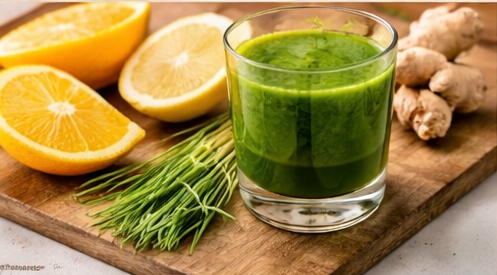
Star microgreen: Wheatgrass — earthy, detoxifying, nutrient-dense
Wheatgrass is one of the most nutrient-dense greens you can grow. A small amount packs a serious nutritional punch when juiced fresh.
Makes: 1 serving (about 8 oz)
Ingredients:
- 1 cup fresh wheatgrass (about one tray's worth of a small harvest)
- 2 large navel oranges
- 1 lemon
- 1-inch piece of fresh ginger, peeled
- 1 teaspoon honey or agave (optional)
- Ice for serving
Preparation:
- Harvest and rinse the wheatgrass: Cut the wheatgrass about half an inch above the soil line with clean scissors. Rinse briefly under cold water and shake dry. Use immediately after cutting for the highest nutrient content.
- Juice the wheatgrass: Feed the wheatgrass through a masticating (slow) juicer. A masticating juicer is important here — centrifugal juicers spin too fast, generate heat, and oxidize the delicate enzymes in wheatgrass. If you don't have a masticating juicer, add the wheatgrass to a blender with 2-3 tablespoons of water, blend on high for 30 seconds, and strain through a fine mesh sieve or cheesecloth, pressing to extract all the juice.
- Juice the citrus and ginger: Cut the oranges and lemon in half. Juice them using a citrus reamer or juicer. For the ginger, either run it through the masticating juicer or finely grate it with a Microplane and squeeze the pulp in your hand over a bowl to extract the juice. You'll get about 1-2 teaspoons of ginger juice from a 1-inch piece.
- Combine: Mix the wheatgrass juice, orange juice, lemon juice, and ginger juice together. Taste — if it's too earthy or intense, add the honey and stir to dissolve. The orange juice should handle most of the sweetening naturally.
- Serve: Pour over ice in a glass and drink right away. Wheatgrass juice oxidizes quickly and loses nutritional value the longer it sits. Don't make this ahead — fresh is the whole point.
Why it works: The citrus completely tames the earthy flavor of wheatgrass while the ginger adds a warming kick. Drinking it immediately after juicing means you're getting the maximum enzymes, chlorophyll, and vitamins that make wheatgrass worth growing.
🌱 Get Wheatgrass Seeds at True Leaf Market
10. Mixed Microgreen Breakfast Bowl
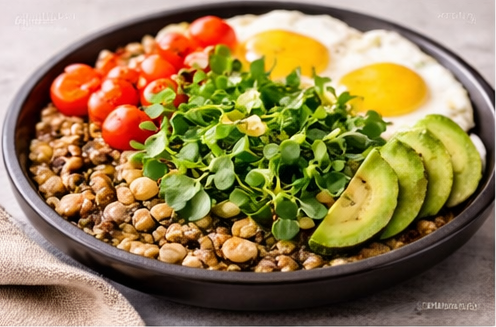
Star microgreens: A mix of sunflower, radish, and pea shoots
Why pick one when you can use three? A mix of microgreens turns a simple breakfast bowl into a nutrient-packed meal.
Serves: 1
Ingredients:
- 2 large eggs
- 1/2 ripe avocado
- 1/2 cup cooked quinoa or rice (leftover rice works great)
- 5-6 cherry tomatoes, halved
- 1 big handful of mixed microgreens — sunflower, radish, and pea shoots (about 1 cup total)
- 1 tsp everything bagel seasoning
- Hot sauce of choice (Cholula, Sriracha, or whatever you love)
- 1 tbsp butter or olive oil
- Salt and pepper
Preparation:
- Warm the base: If using leftover quinoa or rice, heat it in a small pan or microwave with a splash of water to loosen it up. Season lightly with salt. Spoon it into the bottom of a wide bowl.
- Cook the eggs: For fried eggs with crispy edges (my preference): heat butter or olive oil in a nonstick skillet over medium-high heat until the butter is foaming or the oil is shimmering. Crack the eggs directly into the pan. Cook without touching for about 2-3 minutes until the whites are set and the edges are golden and crispy, but the yolks are still runny. Season with salt and pepper.
- Prep the avocado: While the eggs cook, slice the avocado half into thin fans. Hold the half in your palm, make 5-6 lengthwise cuts, then gently fan the slices out with your fingers. Season with a pinch of salt.
- Assemble the bowl: Working in sections around the bowl, arrange the avocado fans on one side of the quinoa base and the halved cherry tomatoes on another side. Place the fried eggs in the center — you want those runny yolks front and center. Pile the mixed microgreens on the remaining open space, letting them spill over the edges of the other ingredients.
- Finish: Sprinkle everything bagel seasoning over the entire bowl — it should hit the eggs, avocado, and microgreens. Add a generous drizzle of hot sauce, especially over the eggs. When you eat, break the yolks first and let them run into the quinoa and microgreens — that's the magic.
Why it works: The combination of nutty sunflower shoots, peppery radish, and sweet pea shoots covers every flavor note. Each bite is different. The runny egg yolk acts as a rich, silky dressing that coats the microgreens and ties the whole bowl together.
🌱 Pick up all three seed varieties at True Leaf Market:
Tips for Cooking with Microgreens
A few things to keep in mind when using microgreens in your cooking:
- Add them last — Heat wilts microgreens quickly. For hot dishes, add them right before serving
- Store them dry — Keep microgreens in a sealed container with a paper towel to absorb moisture. They'll last 7-10 days in the fridge
- Use them generously — Microgreens are at their best when you use a real handful, not a tiny sprinkle
- Match intensity — Pair bold microgreens (radish, mustard) with rich dishes and mild ones (pea, sunflower) with lighter fare
- Grow your own — Home-grown microgreens are fresher, cheaper, and you can harvest right before cooking for peak flavor and nutrition
Start Growing Your Own
The best part about cooking with microgreens is growing them yourself. A simple shelf, some trays, a grow light, and seeds is all you need to have a constant supply of the freshest greens possible.
If you're new to growing, check out our guide on how to grow microgreens at home to get started.
And if you're ready to scale your growing into a business, Microgreens Master can help you manage customers, orders, and forecasting from day one.
Happy growing — and happy cooking! 🌱
🌱 Thanks for reading! Got questions or want to share your own growing experience? Drop me a line — I love hearing from fellow growers.